Solu Health Blog
Live in sync with your cycle.
Insights on hormonal health, nutrition, movement, and everything in between, written for real women living real lives.
This week's trending

Does Seed Cycling Actually Work for Hormone Balance?
Seed cycling is not proven to balance hormones, though a 2025 review of 10 small studies found promising PMS signals. The seeds themselves are nutritious and low risk for most women.

How Do You Boost Progesterone Naturally?
You boost progesterone naturally by supporting ovulation: sleep, enough food, and low stress protect a 12 to 14 day luteal phase. Luteal phases of 10 days or less are worth a medical review.

What Are the Signs of Low Oestrogen?
Signs of low oestrogen include hot flushes, night sweats, vaginal dryness, low mood, and irregular periods. Perimenopause begins 4 to 8 years before menopause, so symptoms can start early.
Does Seed Cycling Actually Work for Hormone Balance?
Seed cycling is not proven to balance hormones, though a 2025 review of 10 small studies found promising PMS signals. The seeds themselves are nutritious and low risk for most women.

How Do You Reduce Cortisol Naturally?
Cortisol drops naturally with consistent sleep, moderate exercise, and mindfulness practice, which a 2024 meta-analysis of 58 trials found measurably lowers levels. No supplement works as reliably as these daily habits.

What Is Oestrogen Dominance and Is It Real?
Oestrogen dominance is not a formal diagnosis; it describes oestrogen acting unopposed by progesterone, most often across the 3.4% to 18.6% of cycles that do not produce ovulation.

Why Am I So Tired Before My Period?
Premenstrual fatigue comes from falling progesterone disrupting sleep quality in the 3 to 5 days before a period, not from shorter sleep. It lifts once bleeding starts.

Does Sugar Affect Your Hormones?
Sugar affects hormones through insulin: repeated blood-sugar spikes raise testosterone and lower SHBG, and WHO advises keeping free sugars under 10% of daily calories. Whole fruit is not the concern; refined sugar and sweet drinks drive the effect.

What Is Cortisol and Why Does It Matter for Women?
Cortisol is the body's main stress hormone, made by the adrenal glands on a 24-hour rhythm. It matters for women because chronically high levels suppress ovulation and can stop periods, disrupt sleep, and worsen PMS.

Why Do I Get Brain Fog Before My Period?
Brain fog before your period comes from the premenstrual drop in oestrogen and progesterone, and it peaks in the 3 to 5 days before bleeding. It affects concentration, word recall, and memory, then clears once your period starts.

What Causes Hormonal Imbalance in Women?
Hormonal imbalance in women is most often caused by PCOS, thyroid disorders, chronic stress, insulin resistance, or the menopause transition. Each disrupts the hormone signalling between the brain and the ovaries in a different way.

How Do You Know If Your Hormones Are Off?
Hormones being off usually shows up as several signs at once: irregular periods, fatigue, mood swings, sleep trouble, and weight changes. One symptom alone rarely means much; a repeating pattern across cycles does.

What Is the Luteal Phase and Why Does It Affect Mood?
The luteal phase is the 10 to 14 days between ovulation and your period, when progesterone peaks then falls sharply. That hormone swing acts on GABA and serotonin, which is why mood, sleep, and hunger shift premenstrually.

What Are the Best Flo Alternatives?
The best Flo alternatives are Clue, Natural Cycles, Apple Cycle Tracking, and Solu, each handling your data differently. This guide compares privacy practices, prediction accuracy, and daily guidance so you can choose based on what matters most to you.

What Does a Period Tracking App Actually Do?
A period tracking app logs your cycle dates and symptoms to predict your period, ovulation, and PMS timing. The best ones turn that data into daily guidance, not just a calendar.

Does Your Menstrual Cycle Affect Muscle Growth?
Your menstrual cycle phase does not measurably affect muscle growth, a 2025 muscle-biopsy study confirms. Energy, effort, and injury risk still shift by phase, just not the muscle-building response itself.

What Is the Best App for Menstrual Health?
The best app for menstrual health links your cycle to daily symptoms, not just period dates. This guide compares Flo, Clue, Natural Cycles, Apple Health, and Solu honestly.

What Is the Best Period Tracker App?
The best period tracker app matches its prediction method to how regular your cycles are, since accuracy ranges from 72% to 88%. No single app is most accurate for every cycle.

Why Do I Crave Sugar Before My Period?
Sugar cravings before a period are driven by rising progesterone and falling serotonin, not a lack of willpower. Here is what causes the luteal-phase craving window and how to manage it.

Am I Fertile 2 to 3 Days Before My Period?
Being fertile 2 to 3 days before your period is unlikely, since ovulation usually happens 12 to 16 days earlier, not right before it. Irregular cycles and a short luteal phase can shift the timing enough to cause real confusion.

How Accurate Are Period Tracking Apps?
Period tracking apps range from about 72% to 88% accurate, depending on the tracking method rather than the brand. Wearable-based apps outperform calendar-only predictions, especially for irregular cycles.

Why Does My Libido Change Throughout My Cycle?
Libido changes throughout the menstrual cycle because oestrogen and testosterone rise before ovulation, then progesterone rises and suppresses desire. Desire typically peaks near ovulation and dips before a period starts.
What Are the 7 Signs of Ovulation?
The seven signs of ovulation are cervical mucus changes, a BBT rise, a positive OPK, mittelschmerz, higher libido, breast tenderness, and cervix changes. Tracking two or more of these signs together, rather than relying on any single symptom, gives a far more accurate picture of the fertile window.

Which Period Tracking App Is Made by a Woman?
Clue, founded by Danish entrepreneur Ida Tin in 2012, is the most widely used period tracking app founded by a woman. Natural Cycles, co-founded by physicist Elina Berglund, is another prominent woman-led fertility app built around an FDA-cleared algorithm.

What Are the Signs of High Cortisol in Women?
The real signs of high cortisol in women are disrupted sleep, fatigue, midsection weight gain, anxiety, and irregular cycles, not TikTok's cortisol face. Endocrinologists say true cortisol face is a rare sign of conditions like Cushing's syndrome, while everyday puffiness usually comes from poor sleep, alcohol, or sodium.

How Do You Increase Ovulation Naturally?
You increase ovulation naturally by correcting weight, insulin resistance, chronic stress, and nutrient gaps like vitamin D and inositol. For women with PCOS, a 5 to 10% weight reduction combined with exercise restores ovulation in most cases within a few cycles.

How Do Fertility Apps Work?
Fertility apps work by combining logged cycle data with an algorithm that estimates the fertile window each month. The most accurate apps update predictions as new physiological data arrives, rather than relying on a fixed calendar average.

Does Stress Really Delay Your Period? What Cortisol Does to Your Cycle
Chronic stress can delay your period by suppressing the hormone pulses that trigger ovulation each cycle. A single stressful day rarely shifts a cycle, but sustained stress from undereating, overtraining, or poor sleep can measurably delay or skip a period.

Is a Period Tracking App 100% Accurate?
No period tracking app is 100% accurate, especially when predicting ovulation day and the fertile window. Here is what the research shows about where these apps get it right, where they fall short, and how to get more reliable results.

What Should You Eat to Get Pregnant Faster?
Eating more whole grains, fish, omega-3s, and folate while cutting back on trans fats and red meat is linked to improved fertility outcomes. Here is what the nutrition research actually supports for women trying to conceive.

Can Strength Training Really Protect Your Heart? What Women Need to Know
Yes, strength training measurably lowers heart attack risk in women. A landmark 2026 study of over 117,000 women found those who lifted weights for two or more hours a week cut their heart attack risk by 44 percent.

How Do You Check Ovulation on Your Phone?
You check ovulation on your phone by logging cycle data, basal body temperature, or ovulation predictor kit results into a fertility app that estimates your fertile window. Accuracy depends heavily on which data you feed the app, not just which app you download.
When Am I Most Fertile During My Cycle?
You are most fertile in the five days leading up to and including ovulation, with the single highest chance of conception the day before ovulation itself. Sperm can survive several days inside the reproductive tract, which is why the fertile window opens before the egg is even released.
Does Cycle Syncing Actually Work? What the Science Really Says
Cycle syncing holds up for nutrition, sleep, and subjective energy awareness, but the claim that women must train in rigid phase-specific splits is not well supported. A 2024 study in The Journal of Physiology found menstrual cycle phase had no measurable effect on muscle protein synthesis after resistance exercise.

Should Women Take Creatine? What the Research Actually Says
Creatine is one of the most researched supplements in the world, but most of that research was done on men. The evidence on women is catching up fast — and it reveals benefits that go well beyond muscle building. Here is what you need to know.

Why Do I Feel More Anxious Before My Period? The Hormone Link Explained
If anxiety, irritability, or low mood reliably appear in the week before your period and disappear once it starts, there is a clear hormonal explanation. Here is what is happening in your brain, and what you can do about it.

How Do You Track Female Fertility?
Tracking female fertility goes well beyond noting the days of your period. Understanding your cycle, ovulation signs, and the tools available can significantly improve your chances of conceiving or simply help you know your body better.
Is There an App for Hormonal Imbalance?
No app can diagnose a hormonal imbalance, but the right ones can track the symptoms that reveal one, help you spot patterns over time, and give you data that leads to faster diagnosis and better treatment.

Can a Wearable Track Your Hormones? What the Latest Tech Can (and Can't) Do
Wearables from WHOOP, Oura, and new startups are now promising hormonal insights from your wrist. Here is an honest look at what the technology can actually measure, what it is inferring, and whether it is worth using in 2026.
What Are the Best Free Fitness Apps for Women?
You do not need to spend money to build a consistent fitness routine. The best free fitness apps for women in 2026 offer genuinely comprehensive features, but knowing which ones account for how your body actually works makes all the difference.
What Is an OB-GYN App and Do You Need One?
An OB-GYN app is a digital health tool that helps women manage their reproductive health, track symptoms, and in some cases connect with clinicians remotely. Here is what they actually do, who they are for, and the best options available right now.

Is Hormone Replacement Therapy (HRT) Safe? The Latest Science Explained
HRT has had a complicated reputation, but the science has shifted significantly. For most women under 60, hormone replacement therapy is now considered safe and effective, and the FDA removed its longstanding black box warning in 2025. Here is what you need to know.
What Are the Top 10 Health and Fitness Apps for Women in 2026?
The app market for women's health has never been stronger, but more choice makes it harder to know which tools are genuinely worth your time. This guide covers the 10 best health and fitness apps for women in 2026, rated honestly by what they actually do well.
Is 30 Minutes of Exercise Enough to Lose Weight for a Female?
The 30-minute workout has become the default advice for busy women, but whether it is actually enough depends on several factors that most fitness content ignores. Here is what the research says, and why your cycle matters more than the clock.

What is Perimenopause and When Does It Start?
Perimenopause is one of the most significant hormonal transitions a woman goes through, yet most women are not told what it is until they are already in it. Here is what perimenopause actually means, when it typically starts, and what the early signs look like.

Can Your Period Affect Your Sleep Quality?
If your sleep falls apart in the week before your period, there is a clear hormonal reason behind it. This article explains exactly how your cycle disrupts sleep, which phase is hardest, and what you can do to sleep better all month long.
What Foods Help Balance Hormones Naturally?
What you eat directly influences how your hormones behave. The right foods can reduce PMS, support ovulation, stabilise mood, and keep your cycle more regular. Here is a practical, evidence-based guide to eating for hormonal balance.

What is the Best Way to Track Your Hormones at Home?
You do not need a lab or a doctor's referral to start understanding your hormones. From wearable devices to cycle tracking apps and at-home test kits, there are now several practical ways to monitor your hormonal health from home. Here is what actually works.
Which Health Tracker is Best for Women?
Not all health trackers are built with women in mind. The best one for you depends on what you actually want to monitor, whether that is your menstrual cycle, fitness performance, sleep, or all three. Here is an honest breakdown.
What Are the Top Health Apps for Women Right Now?
With hundreds of health apps available, finding the ones that genuinely work for women's bodies can take real research. This guide cuts through the noise and reviews the most recommended options across cycle tracking, fitness, nutrition, and holistic wellness.

Which Health App is Most Accurate for Women?
Accuracy in a health app means different things depending on what you are tracking. This article breaks down the evidence on which apps produce the most reliable data for women, from cycle predictions to sleep and fitness metrics.

Which Exercise is Best for Females?
The honest answer is that the best exercise for women changes depending on where you are in your menstrual cycle. This guide explains why, and how to match your training to your hormones for better results with less burnout.
Is Female-Focused Fitness Worth It?
Female-specific fitness programmes and apps are growing fast, but are they actually better than generic alternatives? The short answer is yes, and the research explains why. Here is what the evidence says and what to look for.

What Are the 4 Phases of My Menstrual Cycle and How Do They Affect My Body?
If you've ever wondered why your energy, mood, and motivation seem to shift without warning, your menstrual cycle is likely the answer. Here is a clear breakdown of each phase and what it actually means for how you feel day to day.

What is the 3-3-3 Rule for Working Out?
The 3-3-3 workout rule is a simple structure that can make consistent training much easier to maintain. Here is what it means, whether the evidence supports it, and how women can adapt it to work even better with their cycle.

What Should I Eat During Each Phase of My Menstrual Cycle?
Your nutritional needs genuinely shift throughout your cycle, and eating to support those shifts can reduce PMS, stabilise energy, and help you feel far more consistent month to month. Here is a practical guide to cycle-synced nutrition.
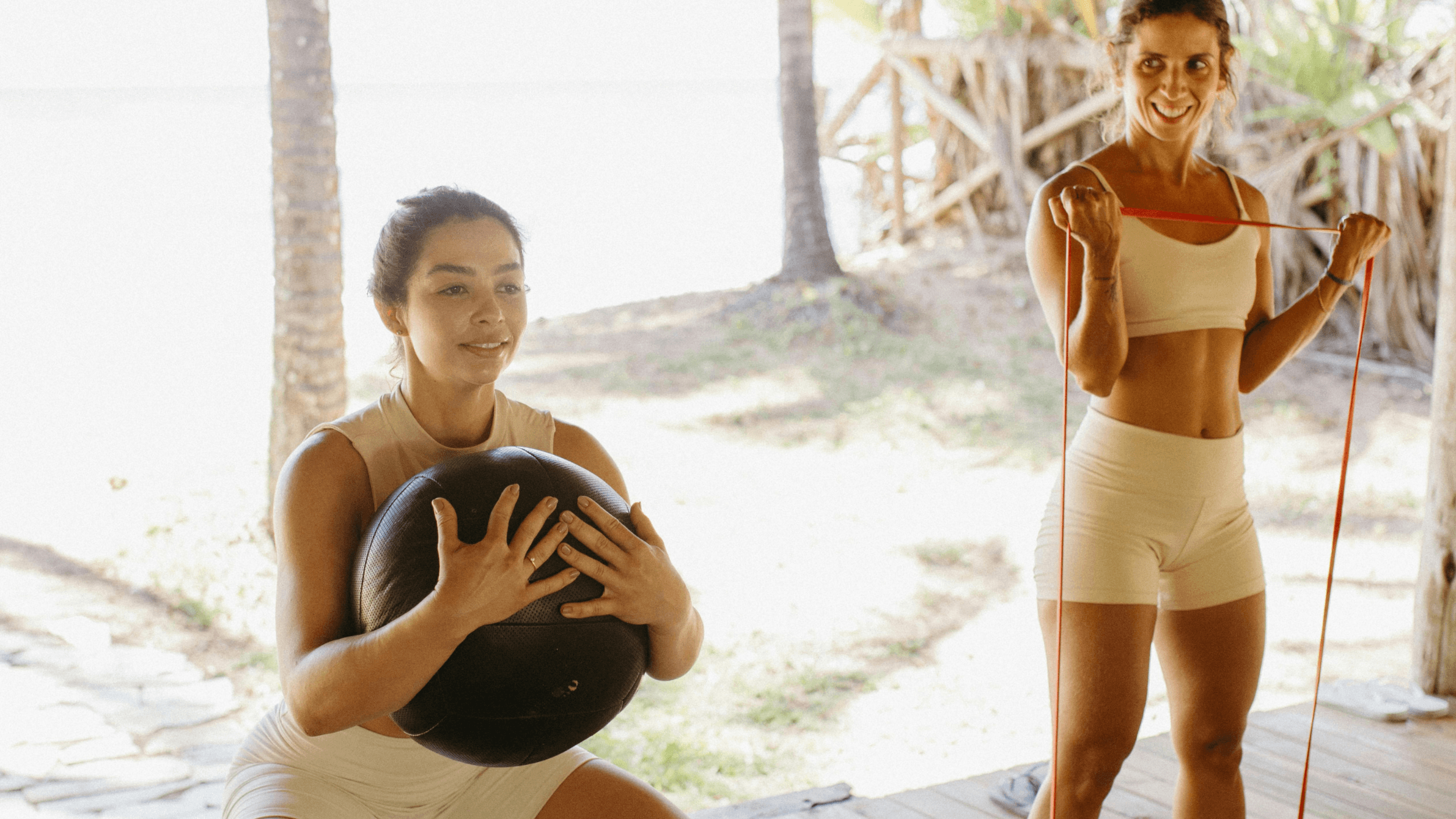
How Should I Structure My Workouts Around My Menstrual Cycle?
Generic training plans assume your body performs the same way every day. It does not. Your strength, recovery speed, endurance capacity, and injury risk all shift across your cycle. Here is how to train smarter by working with your hormones rather than ignoring them.